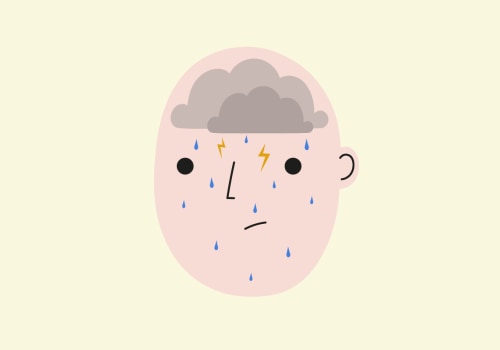
Journaling is more than just putting pen to paper; it is a profound practice that can significantly enhance mental health and emotional well-being. At its core, journaling serves as a safe space for individuals to express their thoughts, feelings, and experiences without fear of judgment. This act of writing can be particularly beneficial for those grappling with mental health challenges such as anxiety, depression, or trauma. By articulating emotions and experiences, individuals can gain clarity and insight into their mental states, paving the way for healing and personal growth.The therapeutic benefits of journaling extend beyond mere expression.
Engaging in this practice allows individuals to process complex emotions and experiences in a structured manner. When we write about our feelings, we create a narrative that helps us make sense of our thoughts. This process of emotional processing can lead to reduced stress levels, improved mood regulation, and a greater sense of control over one’s life. Furthermore, journaling encourages self-reflection, enabling individuals to identify patterns in their behavior and thought processes that may contribute to their mental health struggles.In addition to emotional processing, journaling fosters resilience by promoting gratitude and mindfulness.
Keeping a gratitude journal, for instance, shifts focus from negative experiences to positive aspects of life, helping individuals cultivate a more optimistic outlook. This shift in perspective can be particularly powerful during challenging times when it is easy to become overwhelmed by negativity. By regularly acknowledging what they are thankful for, individuals can build emotional resilience and enhance their overall well-being.Ultimately, the impact of journaling on mental health is profound and multifaceted. It serves as a valuable tool for self-discovery and emotional healing, allowing individuals to navigate their mental health journeys with greater awareness and intention.
As we delve deeper into the various benefits of journaling throughout this article, it becomes clear that this simple yet powerful practice can be a cornerstone of mental wellness.
The Psychological Benefits of Journaling
Journaling serves as a powerful tool for enhancing mental health, particularly through its psychological benefits. One of the most significant advantages of journaling is its ability to aid in emotional regulation. By providing a safe space to express thoughts and feelings, individuals can better understand their emotional responses. This process allows for the identification of triggers and patterns in behavior, which can lead to more effective coping strategies.When emotions are written down, they often become less overwhelming.This act of externalizing feelings can reduce the intensity of negative emotions such as anger, sadness, or anxiety. As a result, journaling can serve as a form of stress relief , helping individuals to process their experiences and alleviate mental burdens. Research has shown that expressive writing can lead to lower levels of stress hormones, promoting a sense of calm and clarity.Moreover, journaling enhances self-awareness. By regularly reflecting on one’s thoughts and feelings, individuals can gain insights into their motivations and behaviors.
This heightened awareness can foster personal growth and development, allowing for more intentional decision-making in daily life. For instance, someone who journals about their interactions may notice recurring themes in their relationships, prompting them to make positive changes.In addition to emotional regulation and self-awareness, journaling can also improve problem-solving skills. When faced with challenges, writing about the situation can help clarify thoughts and generate potential solutions. This cognitive process not only reduces anxiety but also empowers individuals to take proactive steps toward resolving issues.To maximize the psychological benefits of journaling, consider incorporating specific techniques:
- Free Writing: Set a timer for 10-15 minutes and write continuously without worrying about grammar or structure.
This technique encourages the flow of thoughts and emotions.
- Prompt Journaling: Use prompts to guide your writing. Questions like "What am I grateful for today?" or "What challenges did I face this week?" can spark deeper reflection.
- Reflective Journaling: After significant events or experiences, take time to reflect on your feelings and reactions. This practice helps in processing emotions effectively.
Journaling Techniques for Mental Health Improvement
When it comes to enhancing mental health through journaling, employing specific techniques can significantly amplify the benefits.Here are several effective journaling techniques that can help you navigate your emotions and improve your overall well-being.
1.Expressive Writing
One of the most powerful forms of journaling is expressive writing. This technique encourages you to write freely about your thoughts and feelings without worrying about grammar or structure. The goal is to let your emotions flow onto the page, which can lead to greater self-awareness and emotional release. Research has shown that expressive writing can reduce symptoms of anxiety and depression, making it a valuable tool for mental health.2.Gratitude Journaling
Another effective method is gratitude journaling.This involves regularly writing down things you are thankful for, which can shift your focus from negative thoughts to positive experiences. By cultivating an attitude of gratitude, you can enhance your mood and foster resilience during challenging times. Aim to list at least three things each day that you appreciate, no matter how small.
3.Bullet Journaling
Bullet journaling
combines traditional journaling with organization techniques. It allows you to track your daily tasks, goals, and emotions in a structured format.
This method can help you manage stress by providing clarity on what needs to be accomplished while also offering a space for reflection on your feelings. You can create symbols or codes to represent different emotions or tasks, making it a personalized experience.
4.Stream of Consciousness Writing
This technique involves writing continuously for a set period without stopping to edit or censor your thoughts. Known as stream of consciousness writing , this method helps you tap into your subconscious mind and uncover hidden feelings or thoughts that may be affecting your mental health. Set a timer for 10-15 minutes and write whatever comes to mind; this practice can be liberating and insightful.5.Prompt-Based Journaling
If you're unsure where to start, consider using writing prompts.These can guide your journaling sessions and help you explore specific themes or emotions. Prompts like "What made me smile today?" or "What challenges did I face this week?" can spark deeper reflection and provide direction in your writing.Incorporating these journaling techniques into your routine can lead to profound improvements in mental health. Experiment with different styles to find what resonates with you, and remember that the key is consistency and honesty in your writing practice.
How Journaling Affects Physical Health
While journaling is often associated with emotional and psychological benefits, its impact on physical health is equally significant. Research has shown that engaging in regular journaling can lead to improvements in various aspects of physical well-being, particularly in areas such as immune function and sleep quality.Boosting Immune Function
One of the most compelling connections between journaling and physical health lies in its ability to enhance the immune system.
Studies conducted by psychologist Dr. James Pennebaker have demonstrated that expressive writing can lead to measurable improvements in immune response. When individuals write about their thoughts and feelings related to stressful or traumatic experiences, they often experience a reduction in stress levels. This reduction in stress can subsequently lead to a stronger immune system, making the body more resilient against illnesses.In a study published in the journal Psychosomatic Medicine, participants who engaged in expressive writing showed increased levels of immunoglobulin A, an antibody that plays a crucial role in the immune response.
This suggests that journaling not only helps individuals process their emotions but also contributes to better physical health outcomes.
Improving Sleep Quality
Another significant benefit of journaling is its positive effect on sleep quality. Many people struggle with racing thoughts and anxiety at bedtime, which can hinder their ability to fall asleep or stay asleep. By taking the time to write down worries, thoughts, or even a simple gratitude list before bed, individuals can clear their minds and create a sense of calm.A study published in the journal Behavioral Medicine found that participants who practiced journaling before sleep reported improved sleep quality and reduced insomnia symptoms. The act of writing allows individuals to externalize their thoughts, making it easier to let go of concerns that might otherwise keep them awake at night.
Conclusion
The benefits of journaling extend beyond emotional well-being; they encompass significant improvements in physical health as well.
By enhancing immune function and promoting better sleep quality, journaling serves as a holistic tool for overall wellness. Incorporating this practice into your daily routine can lead to profound changes not only in how you feel mentally but also in how your body functions physically.
Creating a Sustainable Journaling Habit
Establishing a consistent journaling practice can be a transformative experience, yet many individuals find it challenging to maintain this habit over time. Here are some practical strategies to help you create a sustainable journaling routine that fits seamlessly into your life.1.Start Small
- Begin with just a few minutes each day. Setting aside 5 to 10 minutes for journaling can make the task feel less daunting.
- Consider writing just a few sentences or bullet points instead of lengthy paragraphs.
This approach can help you ease into the habit without feeling overwhelmed.
2.Choose a Consistent Time
- Identify a specific time of day that works best for you, whether it’s in the morning to set intentions or at night to reflect on your day.
- Consistency is key; try to journal at the same time every day to reinforce the habit.
3.Create a Comfortable Space
- Designate a quiet and comfortable spot for journaling, free from distractions. This could be a cozy corner of your home or even a favorite café.
- Having a dedicated space can signal to your brain that it’s time to focus on your thoughts and feelings.
4.Use Prompts and Themes
- If you’re unsure what to write about, consider using prompts or themes. These can range from gratitude lists to reflections on personal goals.
- Prompts can help guide your writing and make it easier to get started, especially on days when inspiration feels lacking.
5.Be Kind to Yourself
- Acknowledge that some days will be easier than others. If you miss a day or two, don’t be too hard on yourself; simply return to your practice when you can.
- Remember that journaling is a personal journey, and there’s no right or wrong way to do it.
6.Track Your Progress
- Consider keeping track of your journaling sessions in a calendar or planner.
This visual representation can motivate you to stay consistent.
- You might also notice patterns in your writing that can provide insights into your emotional well-being over time.
The Role of Gratitude Journals in Mental Well-being
Gratitude journaling has emerged as a transformative practice within the realm of mental health, offering individuals a structured way to reflect on the positive aspects of their lives. This practice not only fosters a sense of appreciation but also plays a significant role in enhancing overall mental well-being.At its core, gratitude journaling involves regularly writing down things for which one is thankful. This simple yet profound act can shift focus from negative thoughts and stressors to positive experiences and emotions.Research in positive psychology supports the idea that cultivating gratitude can lead to improved mental health outcomes, including reduced symptoms of anxiety and depression.
Benefits of Gratitude Journals
- Enhanced Mood: Regularly acknowledging what you are grateful for can elevate your mood and promote feelings of happiness. This shift in perspective helps combat negative thought patterns.
- Increased Resilience: Gratitude journaling encourages individuals to recognize their strengths and resources, fostering resilience in the face of challenges.
- Improved Relationships: Expressing gratitude can strengthen relationships by promoting positive interactions and reducing feelings of resentment or jealousy.
- Better Sleep: Engaging in gratitude practices before bedtime can lead to improved sleep quality, as it helps calm the mind and reduce racing thoughts.
- Physical Health Benefits: Studies have shown that individuals who practice gratitude report fewer health complaints and engage in healthier behaviors, such as regular exercise.
This could range from simple pleasures like a warm cup of coffee to significant life events that have shaped your journey.Incorporating gratitude into your journaling routine not only enhances your mental well-being but also cultivates a more optimistic outlook on life. As you begin to notice the abundance around you, you may find that your overall perspective shifts, leading to greater contentment and joy.
Addressing Common Challenges in Journaling
While journaling offers numerous benefits for mental health, many individuals encounter challenges that can hinder their practice. Recognizing these obstacles is the first step toward overcoming them and ensuring a fulfilling journaling experience.Writer's Block
is a common hurdle that many face when trying to put pen to paper. The pressure to write something profound or meaningful can lead to frustration and stagnation.
To combat this, consider the following strategies:
- Free Writing: Set a timer for 5-10 minutes and write continuously without worrying about grammar or coherence. This exercise can help unlock your thoughts and reduce the pressure of perfection.
- Prompts: Use journaling prompts to spark inspiration. Questions like "What made me smile today?" or "What am I grateful for this week?" can provide direction and ease the burden of starting from scratch.
- Change Your Environment: Sometimes, a change of scenery can stimulate creativity. Try journaling in a park, café, or any place that feels refreshing.
It’s easy to start strong but lose interest over time. Here are some tips to keep your journaling practice engaging:
- Set Realistic Goals: Instead of committing to daily entries, aim for a few times a week. This makes the practice feel less daunting and more sustainable.
- Create a Routine: Incorporate journaling into your daily routine by associating it with another habit, such as having your morning coffee or winding down before bed.
- Reflect on Progress: Periodically review past entries to see how far you’ve come. This reflection can reignite your passion for journaling by reminding you of its benefits.
On such days, allow yourself the grace to write less or even skip an entry without guilt. Remember, journaling is a personal journey meant to support your mental health, not add stress.By addressing these common challenges head-on and implementing practical solutions, you can cultivate a rewarding journaling practice that enhances your mental well-being.
FAQs About Journaling for Mental Health
Journaling is a powerful tool for enhancing mental health, but many people have questions about how to get started and what to expect. Below are some frequently asked questions that can help clarify the benefits and practices of journaling.What is journaling?
Journaling is the practice of writing down thoughts, feelings, and experiences in a structured or free-form manner. It can take various forms, including daily diaries, gratitude journals, or expressive writing focused on specific emotions or events.How does journaling benefit mental health?
Engaging in journaling can lead to numerous mental health benefits, such as:- Emotional processing: Writing helps individuals articulate their feelings, making it easier to understand and manage them.
- Stress reduction: Journaling can serve as a release valve for pent-up emotions, reducing overall stress levels.
- Improved mood: Regularly expressing thoughts can lead to a more positive outlook and enhanced emotional resilience.
- Enhanced self-awareness: By reflecting on experiences and emotions, individuals can gain insights into their behaviors and triggers.
How often should I journal?
The frequency of journaling can vary based on personal preference.Some people find it beneficial to write daily, while others may choose to journal a few times a week. The key is consistency; establishing a routine can help make journaling a sustainable practice.
What should I write about?
Your journal can be a space for anything you wish to express. Here are some ideas:- Your daily experiences
- Your feelings and emotions
- Gratitude lists
- Goals and aspirations
- Reflections on challenges and how you overcame them
Do I need special tools for journaling?
No special tools are required for journaling. A simple notebook and pen will suffice.However, some people prefer digital formats like apps or word processors for convenience. Choose what feels most comfortable for you.
Can journaling replace therapy?
While journaling can be an effective complementary tool for managing mental health, it should not replace professional therapy or treatment when needed. It is best used alongside other therapeutic practices.If you're considering starting a journaling practice, remember that there is no right or wrong way to do it. The most important aspect is to be honest with yourself and allow your thoughts to flow freely onto the page.Conclusion: Embracing Journaling as a Tool for Mental Wellness
In conclusion, the practice of journaling emerges as a transformative tool for enhancing mental wellness.Throughout this article, we have explored the myriad benefits that journaling offers, from processing complex emotions to fostering a deeper understanding of oneself. By engaging in this reflective practice, individuals can not only manage symptoms of anxiety and depression but also cultivate resilience and emotional intelligence.One of the most compelling aspects of journaling is its accessibility. Anyone can start this practice with minimal resources—just a pen and paper or a digital device. This simplicity makes it an ideal option for those seeking to improve their mental health without the barriers often associated with therapy or medication.Moreover, journaling encourages self-expression and creativity.
It provides a safe space to articulate thoughts and feelings that may otherwise remain unspoken. This act of writing can lead to significant insights, helping individuals identify patterns in their behavior and emotional responses. As a result, journaling can serve as a powerful catalyst for personal growth.To truly harness the benefits of journaling, it is essential to approach it with intention. Setting aside dedicated time each day or week can help establish a consistent practice.
Whether you choose to write about your daily experiences, reflect on your emotions, or express gratitude, the key is to make journaling a regular part of your routine.As you embark on or continue your journaling journey, remember that there is no right or wrong way to do it. Allow yourself the freedom to explore different styles and formats—be it bullet journaling, free writing, or guided prompts. The most important aspect is that you engage with your thoughts authentically.In summary, embracing journaling as a tool for mental wellness can lead to profound changes in how we perceive and manage our mental health. By committing to this practice, you are taking an active step towards understanding yourself better and nurturing your emotional wellbeing.
So grab your journal today and start writing your way to a healthier mind!.