Journaling is more than just putting pen to paper; it is a profound practice that can significantly enhance your personal growth, mental well-being, and creative expression. In a world that often feels chaotic and overwhelming, maintaining a journal provides a sanctuary for your thoughts and emotions. It allows you to step back from the hustle and bustle of daily life and reflect on your experiences, aspirations, and challenges. This reflective process is crucial for understanding yourself better and fostering a deeper connection with your inner self.The importance of journaling extends beyond mere self-reflection.
Numerous studies have shown that writing about your thoughts and feelings can lead to improved mental health outcomes. For instance, journaling can help reduce stress, anxiety, and depression by providing an outlet for emotional release. When you articulate your feelings on paper, you create a safe space to explore complex emotions without fear of judgment. This practice not only promotes emotional clarity but also encourages problem-solving and decision-making skills.Moreover, journaling serves as a powerful tool for enhancing creativity.
By regularly engaging in this practice, you unlock new ideas and perspectives that may have otherwise remained dormant. The act of writing can stimulate your imagination, allowing you to brainstorm freely without the constraints of perfectionism. Whether you are an artist, writer, or simply someone looking to explore their creative side, keeping a journal can be an invaluable resource for inspiration.In summary, the benefits of journaling are manifold. From fostering personal development to improving mental health and sparking creativity, this simple yet impactful practice can transform your life in profound ways.
As you embark on your journaling journey, remember that there are no rules—just the freedom to express yourself authentically.
Choosing the Right Journal for You
Choosing the right journal is a crucial step in your journaling journey. The type of journal you select can significantly influence your writing experience and help you achieve your personal goals. Here are some key factors to consider when selecting a journal that aligns with your preferences and aspirations.1.Types of Journals
- Lined Journals: These are ideal for those who prefer structure in their writing. The lines guide your handwriting, making it easier to maintain neatness and organization.
- Blank Journals: If you enjoy free expression, a blank journal may be the best choice.
This format allows for creativity without constraints, perfect for doodling, sketching, or writing freely.
- Grid or Dot Journals: These journals combine the benefits of lined and blank formats. The grids or dots provide subtle guidance for drawing, writing, or organizing thoughts while still allowing for creativity.
- Digital Journals: For tech-savvy individuals, digital journaling apps offer convenience and accessibility. They often come with features like cloud storage, search functions, and multimedia integration.
2.Consider Your Goals
Your journaling goals should heavily influence your choice of journal. Are you looking to document daily events, reflect on personal growth, or brainstorm ideas? Understanding your primary purpose will help narrow down your options:
- If you aim to track daily events or emotions, a lined journal may be most effective.
- If your focus is on creativity and self-expression, consider a blank or dot journal.
- If you want to integrate multimedia elements like photos or links, a digital journal could be the best fit.
3.Size and Portability
The size of your journal can also impact your journaling experience.
A smaller journal is easy to carry around and can be used on the go, while a larger one provides more space for extensive writing or artwork. Think about where you plan to write:
- On-the-go: A compact size is preferable.
- At home: A larger format may suit your needs better.
4.Personal Aesthetics
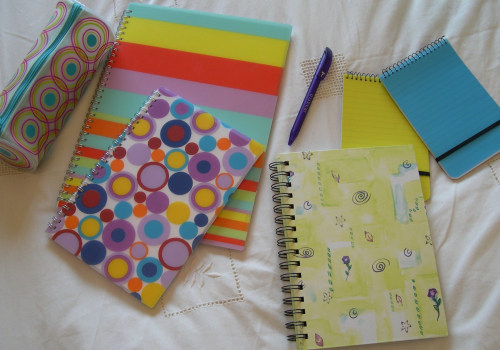
Your journal should resonate with you personally. Choose one that reflects your style—whether it’s a minimalist design, vibrant colors, or artistic covers. This connection can enhance your motivation to write regularly.In conclusion, selecting the right journal is a personal decision that can greatly enhance your journaling experience.
By considering the types of journals available, aligning them with your goals, factoring in size and portability, and choosing one that resonates with your aesthetic preferences, you’ll set yourself up for success in your journaling journey.
Setting Up Your Journaling Space
Creating a dedicated space for journaling can significantly enhance your writing experience. A well-thought-out journaling environment not only fosters creativity but also helps you focus and reflect more deeply. Here are some tips to set up your ideal journaling space.Choose the Right Location
Your journaling space should be a place where you feel comfortable and inspired. Consider the following:
- Quietness: Select a spot that is free from distractions, such as noise or interruptions.
This could be a cozy corner in your home, a local park, or even a quiet café.
- Lighting: Natural light can boost your mood and creativity. If possible, position your journaling area near a window. If natural light isn’t available, opt for warm, soft lighting to create a calming atmosphere.
- Comfort: Ensure that your seating is comfortable. A supportive chair or cushion can make long journaling sessions more enjoyable.
Personalize Your Space
Adding personal touches to your journaling area can make it feel more inviting.
Consider incorporating:
- Decorative Elements: Use artwork, plants, or photographs that inspire you. These elements can spark creativity and make the space uniquely yours.
- Essential Oils or Candles: Scents can influence your mood. Light a candle or use essential oils to create a soothing ambiance that encourages reflection.
- Comfort Items: Keep items like blankets or pillows nearby for added comfort during your writing sessions.
Gather Your Journaling Tools
The right tools can enhance your journaling experience. Here are some essentials to consider:
- A Quality Journal: Choose a journal that resonates with you, whether it’s lined, blank, or dotted.
The tactile experience of writing on quality paper can elevate your practice.
- Pens and Pencils: Invest in pens or pencils that feel good in your hand. Experiment with different types to find what you enjoy most—gel pens, fountain pens, or colored pencils can add flair to your entries.
- Stickers and Washi Tape: If you enjoy visual elements in your journaling, consider adding stickers or washi tape to personalize pages and make them visually appealing.
Establishing a Journaling Routine
Establishing a consistent journaling routine is crucial for anyone looking to make the most out of their writing experience. A well-structured routine not only helps in developing the habit but also enhances the quality of your reflections and insights.Here are some practical tips to help you create a journaling schedule that fits seamlessly into your lifestyle.
1.Choose a Specific Time
- Identify a time of day that works best for you. Whether it’s early morning, during lunch breaks, or before bed, consistency is key.
- Set a reminder on your phone or calendar to prompt you to write at your chosen time.
2.Start Small
- If you’re new to journaling, begin with just five minutes a day. This makes it less daunting and easier to incorporate into your daily routine.
- As you become more comfortable, gradually increase the time you spend writing.
3.Create a Comfortable Space
- Designate a specific spot for journaling that is free from distractions. This could be a cozy corner in your home or a quiet café.
- Ensure that this space is inviting and equipped with all the materials you need, such as pens, notebooks, or even digital devices.
4.Use Prompts to Get Started
- If you find it challenging to begin writing, consider using journaling prompts.
These can spark creativity and help overcome writer's block.
- You can find numerous prompts online or create your own based on your interests and experiences.
5.Be Flexible
- Your journaling routine should adapt to your life changes. If mornings become hectic, try journaling in the evening instead.
- Don’t be too hard on yourself if you miss a day; just get back on track as soon as possible.
6.Track Your Progress
- Consider keeping a log of your journaling sessions. This can motivate you by showing how consistent you've been over time.
- You might also reflect on what you've written previously, which can provide valuable insights into your growth and thought processes.
Overcoming Common Journaling Challenges
Starting a journaling practice can be incredibly rewarding, but it often comes with its own set of challenges.Understanding these common obstacles and how to overcome them is essential for maintaining your journaling habit and reaping its benefits.
Writer's Block in Journaling
One of the most frequent hurdles that new journalers face is writer's block. This can manifest as a feeling of being unable to put pen to paper or a sense of frustration when trying to articulate thoughts. To combat this, consider the following strategies:- Use Prompts: Journaling prompts can serve as a springboard for your thoughts. They can range from simple questions like "What made me smile today?" to deeper inquiries such as "What are my biggest fears?" These prompts can help you bypass the pressure of coming up with something profound on your own.
- Set a Timer: Sometimes, the act of writing itself can help break through mental barriers.
Set a timer for 5-10 minutes and write continuously without worrying about grammar or coherence. This free-writing technique can help unlock your creativity.
- Change Your Environment: A change of scenery can stimulate your mind. Try journaling in a different location, whether it’s a park, café, or even a different room in your home.
Staying Motivated to Journal
Another common challenge is maintaining motivation over time. It’s easy to start strong but lose steam as life gets busy.Here are some tips to keep your journaling practice alive:
- Create a Routine: Establishing a specific time each day or week dedicated to journaling can help make it a habit. Whether it’s first thing in the morning or right before bed, consistency is key.
- Celebrate Small Wins: Acknowledge your progress, no matter how small. Whether you’ve filled a page or completed a week of daily entries, celebrating these milestones can boost your motivation.
- Make It Enjoyable: Personalize your journaling experience by using colorful pens, stickers, or even digital tools that excite you. The more enjoyable the process, the more likely you are to stick with it.
Reflecting on Your Journals: The Power of Review
One of the most enriching aspects of journaling is the opportunity it provides for reflection.Taking the time to review your past entries can unlock a treasure trove of insights about your thoughts, feelings, and personal growth. This practice not only enhances your understanding of yourself but also allows you to track your progress over time.When you revisit your journals, consider the following benefits:
- Identifying Patterns: Regularly reviewing your entries can help you spot recurring themes or emotions. Are there specific triggers that lead to stress or joy? Recognizing these patterns can empower you to make informed decisions in your life.
- Tracking Growth: Reflecting on earlier entries allows you to see how far you've come. You may find that challenges you once faced have been overcome, or that your perspectives have shifted significantly.
This acknowledgment of growth can be incredibly motivating.
- Clarifying Goals: As you reflect, you may discover that some of your goals have changed or evolved. Journaling provides a space to articulate these shifts, helping you realign your focus and intentions.
- Enhancing Creativity: Revisiting past ideas and thoughts can spark new inspiration. You might find that an old entry resonates with a current project or challenge, leading to innovative solutions.
- Set Aside Time: Dedicate specific times for reflection, just as you would for writing. This could be weekly or monthly, depending on your schedule.
- Create a Reflection Ritual: Establish a comfortable environment where you can read through your entries without distractions.
This could involve lighting a candle, playing soft music, or enjoying a cup of tea.
- Ask Yourself Questions: As you read, pose questions to yourself. What emotions did I experience during this time? What lessons did I learn? How have my priorities changed?
- Take Notes: Keep a separate notebook or digital document where you jot down key insights from your reflections. This will help solidify your understanding and serve as a reference for future growth.
Sharing Your Journals: When and How to Share Your Thoughts
Sharing your journal entries can be a deeply personal decision, and it’s essential to weigh the pros and cons before deciding to open up your thoughts to others.While journaling is often seen as a private endeavor, there are instances where sharing can enhance your experience and foster connections with others.
Benefits of Sharing Your Journals
- Building Connections: Sharing your thoughts can create bonds with friends, family, or even online communities. It allows others to see your vulnerabilities and can lead to deeper conversations.
- Receiving Feedback: If you’re journaling for personal growth or creative writing, sharing can provide valuable insights. Others may offer perspectives that you hadn’t considered, helping you refine your thoughts or ideas.
- Encouraging Accountability: When you share your goals or reflections, it can motivate you to stay committed. Knowing that someone else is aware of your journey can push you to follow through on your intentions.
- Inspiring Others: Your experiences may resonate with someone else who is struggling.
By sharing your journey, you might inspire others to start their own journaling practice or confront their challenges.
Public vs. Private Journaling
Deciding whether to keep your journal private or share it publicly is crucial. Here are some considerations:
- Private Journaling: This approach allows for complete freedom of expression without fear of judgment. You can write candidly about your thoughts and feelings, knowing that no one else will read them.
- Public Journaling: Sharing your entries on social media or blogs can reach a wider audience but may require a more polished approach.
Consider how much of yourself you’re comfortable revealing and the potential impact on your privacy.
Guidelines for Safe Sharing
If you decide to share your journal entries, here are some tips to do so safely:
- Set Boundaries: Determine what topics are off-limits for sharing. This could include sensitive personal information or experiences that involve other people.
- Choose Your Audience Wisely: Share with those who you trust and who will respect your feelings. Avoid sharing with individuals who may not understand the context of your writing.
- Anonymize Sensitive Content: If you're sharing online, consider altering names or details that could identify individuals involved in your stories.
- Be Prepared for Reactions: Understand that not everyone will respond positively. Be ready for constructive criticism as well as support.
Whether you choose to keep them private or share them with the world, remember that journaling is a personal journey meant to serve you first and foremost.
Conclusion: Embracing Your Journaling Journey
As we conclude our exploration of journaling, it’s essential to reflect on the transformative power this practice can have in your life. Throughout this article, we’ve delved into various aspects of starting a successful journal, from overcoming initial hesitations to finding your unique voice on the pages. Each step you take in your journaling journey is a step towards greater self-awareness and personal growth.Remember, the key to effective journaling lies in authenticity. Write for yourself, without the pressure of perfection or external validation.Allow your thoughts and feelings to flow freely onto the page. This practice not only serves as a creative outlet but also as a tool for introspection and clarity.Here are some crucial points to keep in mind as you embark on your journaling adventure:
- Start Small: Don’t overwhelm yourself with expectations. Begin with just a few sentences each day.
- Be Consistent: Set aside dedicated time for journaling, making it a regular part of your routine.
- Explore Different Styles: Experiment with various formats, such as bullet journaling, free writing, or guided prompts, to find what resonates with you.
- Reflect and Review: Periodically revisit your entries to gain insights into your growth and evolving thoughts.
Embrace the process and allow it to unfold naturally.In closing, I encourage you to pick up that pen or open that digital document and start writing today. Whether you’re documenting daily events, exploring your emotions, or setting goals for the future, journaling can be a powerful ally in navigating life’s complexities. So go ahead—dive into your journaling journey with confidence and curiosity!.